
Singlers Marsh
Open all year
A wet meadow on the banks of the River Mimram near Welwyn. Managed by cattle grazing and cutting, it represents a rare habitat in Hertfordshire.
Bats
Wildlife
Daubenton’s bats fish insects from off the water’s surface with their large feet or tail which they use as a scoop. There preferred food is small flies, especially caddisflies and mayflies.
If you are lucky, you might see them flitting over the water within a few centimetres of the surface at dusk.
Conservation grazing
Agriculture/Grazing
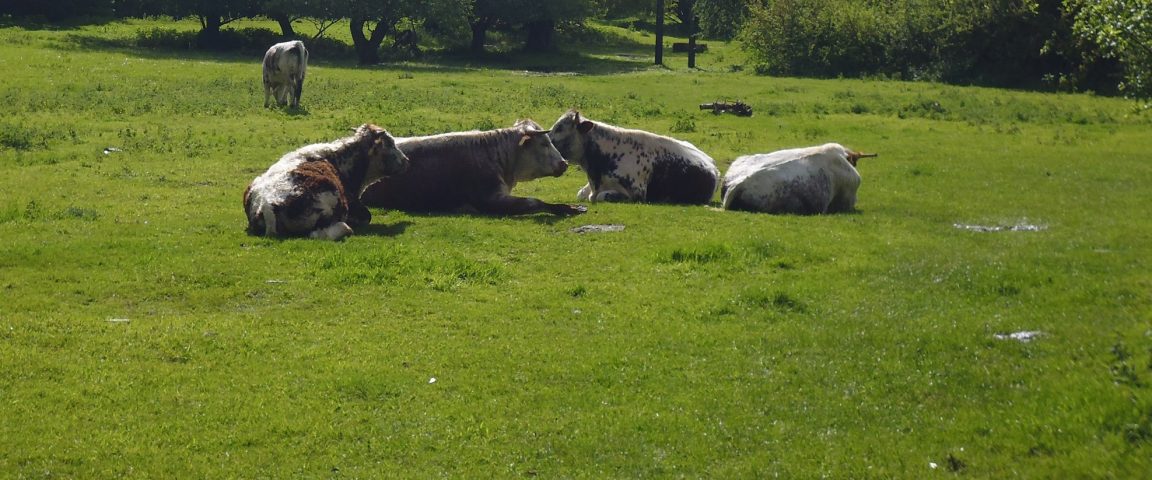
An ancient cattle breed called Longhorn Cattle are used graze the grasslands. Traditionally sought after for its quality milk and meat, the cows are now used for their clam nature and hearty appetites!
Grazing is better for the habitats and land than using a machine. Animals take their time and don’t create a uniform environment. This allows more niches for insects and birds etc to live.
Can you spot the habitat differences between the grazed northern section and the area to the south which is mown to benefit people using the site?
Ecotones
Wildlife
An ecotone is the place where one plant community transitions into another. They are very important areas for biodiversity as they provide habitat variation and an area of refuge for wildlife. In locations where one type of habitat stops abruptly, and another very different habitat starts it can be a hard environment to live.
Around Singlers Marsh patches of scrub, or herbs and nettles are left to provide ecotones.
Hedgerows
Wildlife
In recent years additional hedgerows have been planted on this nature reserve by volunteers.
Mature hedgerows also surround the site, and in some locations, these have been layed.
Hedgelaying is a traditional and very old maintenance practice where the plants are periodically trimmed, coppiced (cut down to a low level) and manoeuvred at an angle to make a wall of woody animal proof plants.
A layed hedge can provide shelter for livestock, a home for wildlife, a vantage point for hunting birds, and forage for all. They also have heritage and scenic value.
Even with regular trimming, the hedge can become gappy and thin, slowly losing the benefits. The hedge can be layed again to rejuvenate it.
Life in the river
Water Habitat
The main focus of the survey is riverflies which are small invertebrates. They are a great indicator of the rivers health because they are not very mobile, they have a long-life cycle, they are present all year round and are sensitive to changes in their environment.
The surveys found mayfly, cased caddis, caseless caddis, blue-winged olive, olives, and stoneflies. They also found freshwater shrimp.
These are all an important part of the food chain, with birds and fish predating them whilst they are larvae in the river, and as adult flies.
Pumping Stations
Building
Each station has a different function. They are mainly used now to manage any potential ground water emergencies and to prevent flooding to local houses and infrastructure.
River Mimram
Water Habitat
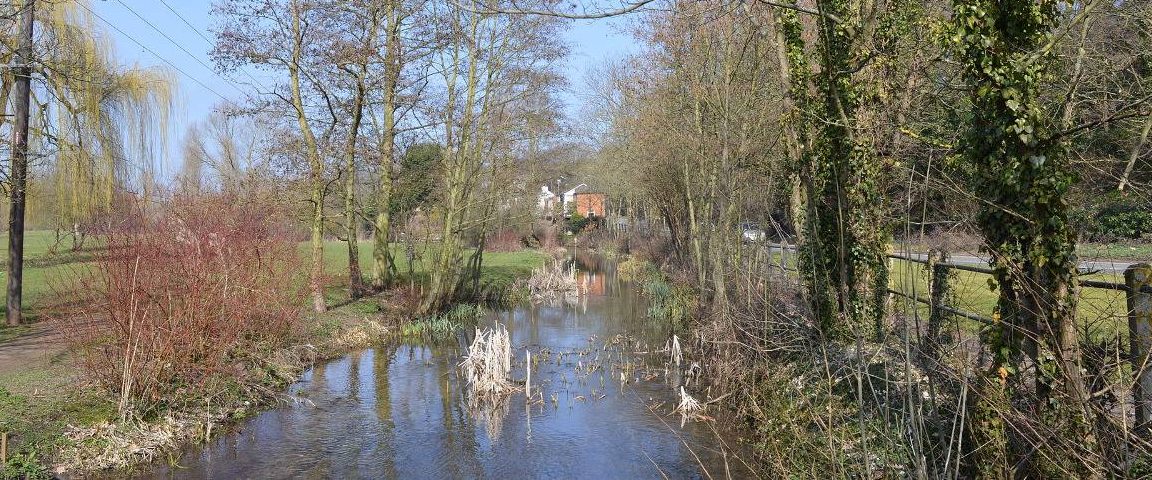
The River Mimram originates just outside of Whitwell and flows through this valley and on to Hertford, where it joins the River Lea.
The Mimram is special as it is a chalk stream. There are less than 250 chalk rivers globally. Chalk streams rise up out of chalk bedrock springs. As chalk land is very permeable, there is limited run off carrying sediment, therefore the water is very clear. It’s a great habitat for plants and invertebrates which in turn attracts fish.
For over a decade, a local volunteer groups, The Friends of the River Mimram and The Wednesday Volunteers, have undertaken a number of projects to improve the river.
Four 5m long sections of the river were cleared of silt, and replaced with gravel from Panshanger quarry. This provided enhanced habitat for invertebrates and spawning areas for brown trout.
Overhanging vegetation also received a greater level of management through cutting back or coppicing. This allowed more sun to reach the river, ensuring a healthier habitat.
Singlers Marsh’s riverflies have been regularly surveyed and the population monitored. These projects have increased the invertebrate populations.
Treescape
Wildlife
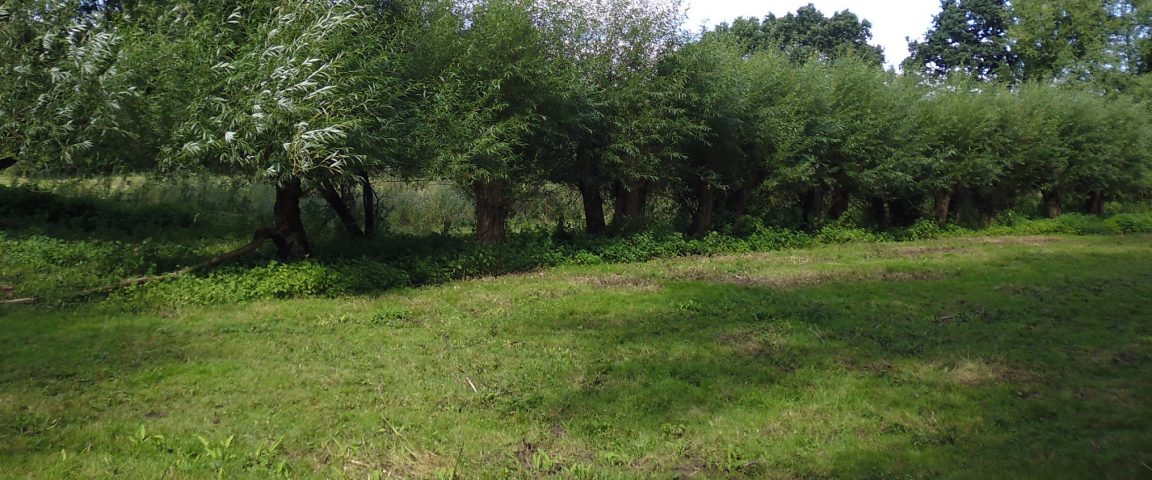
You might see coppiced stools. Volunteers have coppiced goat willows by the old river course. Coppicing is when trees are cut down to a short stump and allowed to re-shoot with lots of wands. These are allowed to grow for a time until they are cut down again.
There are also a number of pollards. Pollarding is when a tree is cut back to a skeleton, traditionally no taller than a human. This encourages the tree to produce lots of new shoots which will be harvested once they reach the desired size.
There is a long history of managing trees like this in the UK. The smaller branches had many uses from kindling to feeding animals. The trees also proved to be great habitat, with lots of forage or little holes for small animals, birds and insects to hide in. The regular harvesting also meant the soil and other herbs and bulbs around the trees would also benefit from periodic additional light and solar heat.
Watching wildlife
Wildlife
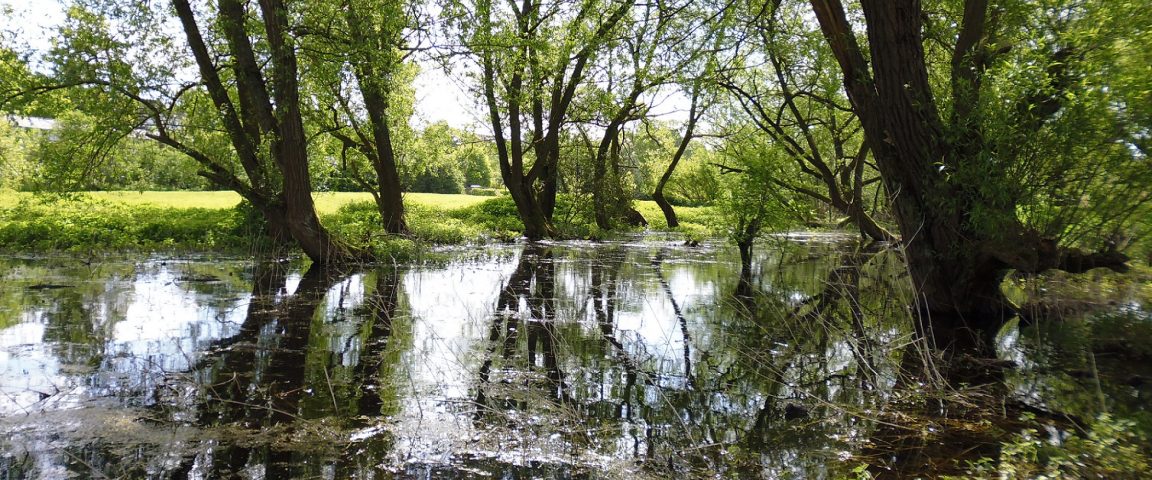
In times of flood, water loving birds such as coots and moorhens and mallards visit can be found searching for insects and other tasty treats across the meadows.
During the summer, you might also see migrating visitors such as yellow wagtails and swallows.
Singlers is also home to a number of small mammals, such as rabbits and wood mice. These attract hunting raptors such as kestrels and red kites.
Wet meadow
Meadow
Meadows are very important for biodiversity. Over the last 100 years, large areas of meadows have been lost. They once would have been a frequent sight in rural areas, but now they are not very common.
The flowery grass attracts a wide variety of insects and therefore birds and mammals.
Seasonal flooding leads to areas of increased grass growth and a different range of plant species. In these wetter areas, you will find a range of sedges and reeds as well as herbs such as meadowsweet and lesser stitchwort.
The meadow is further enhanced by seasonal grazing of longhorn cattle.
Park Information
This wet meadow lies adjacent to the River Mimram, which runs through Old Welwyn. Managed by cattle grazing and cutting, it represents a rare habitat in Hertfordshire.
Singlers Marsh comprises a section of regionally important chalk river and low woodland meadows. The mosaic of grassland, willow scrub, and more mature trees attract a wide range of wildlife especially plants of wet meadows, insects, and birds. In the summer months it is also home to visiting wildlife.
The marsh can be accessed via several kissing gates along Fulling Mill Lane.
How we manage the site
Contractors have pollarded more Willows throughout the reserve. Although the coppicing and pollarding looks drastic, healthy new shoots will soon grow from the stumps to provide good cover for wildlife.
Grazing with rare breed cattle also occurs – this aims to control taller vegetation in a more ecologically sympathetic way. Nettles continue to be cut when necessary during the summer months.
Attractive new information boards have been installed at each end of the nature reserve.
At all our sites, we manage them with a balanced consideration to improve both wildlife biodiversity and public amenity whilst providing a safe and attractive experience for visitors.
All of our major sites have a dedicated ecological management plan which is used to help tailor the management to suit differing landscapes and habitat types.
On Site Facilities
- Dogs Welcome

How to get here
Parking:No parking by the marsh. Parking available in Old Welwyn.
Public Transport Information:Information on public transport is available here: www.intalink.org.uk and www.nationalrail.co.uk
Cycling:No designated cycle paths.

Share your experience
Tell your friends on social media about what you did at Singlers Marsh: